On Saturday, 27 September 2025, I had the pleasure and honor of participating in the Moroccan Cultural
Day in Tallinn, Estonia, together with my dearest Moroccan friend and mentor, Zahra Sarkouh.
The event was organized by the Moroccan Cultural Society in Estonia, Dar Almaghreb, represented by its
president, Badreddine Lamdaghri Alaoui, in partnership with the Union of Moroccans Living in Finland. Thi
cultural gathering aimed to promote Moroccan culture in Estonia through events, workshops, and
celebrations designed to forge connections between people both locally and globally. This year’s program
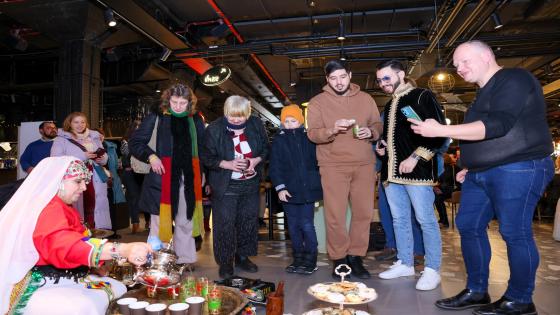
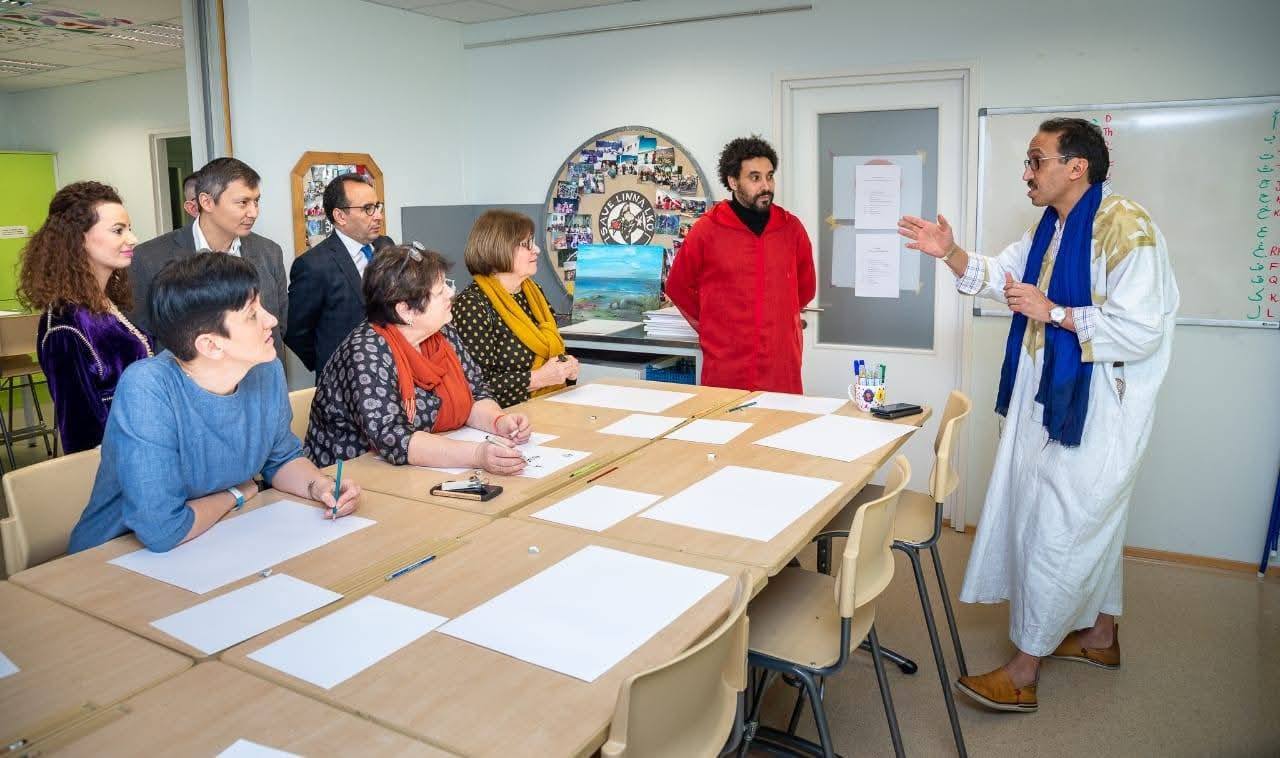
featured Arabic calligraphy, henna workshops, Moroccan cooking and tea ceremonies, handicrafts, live
music by Baba Jalil Band (Norway), and captivating folk dance performances by the talented Estonian
dancer Kairi Reinvee.
Representatives of Morocco’s vibrant diaspora came from across Europe: Estonia, Latvia, Lithuania,
Sweden, Finland, Norway, Belgium, France, and Morocco itself! Thus, Morocco’s rich and diverse heritage
was beautifully represented by Arabs, Amazigh, and Sahraoui people, each bringing something unique to
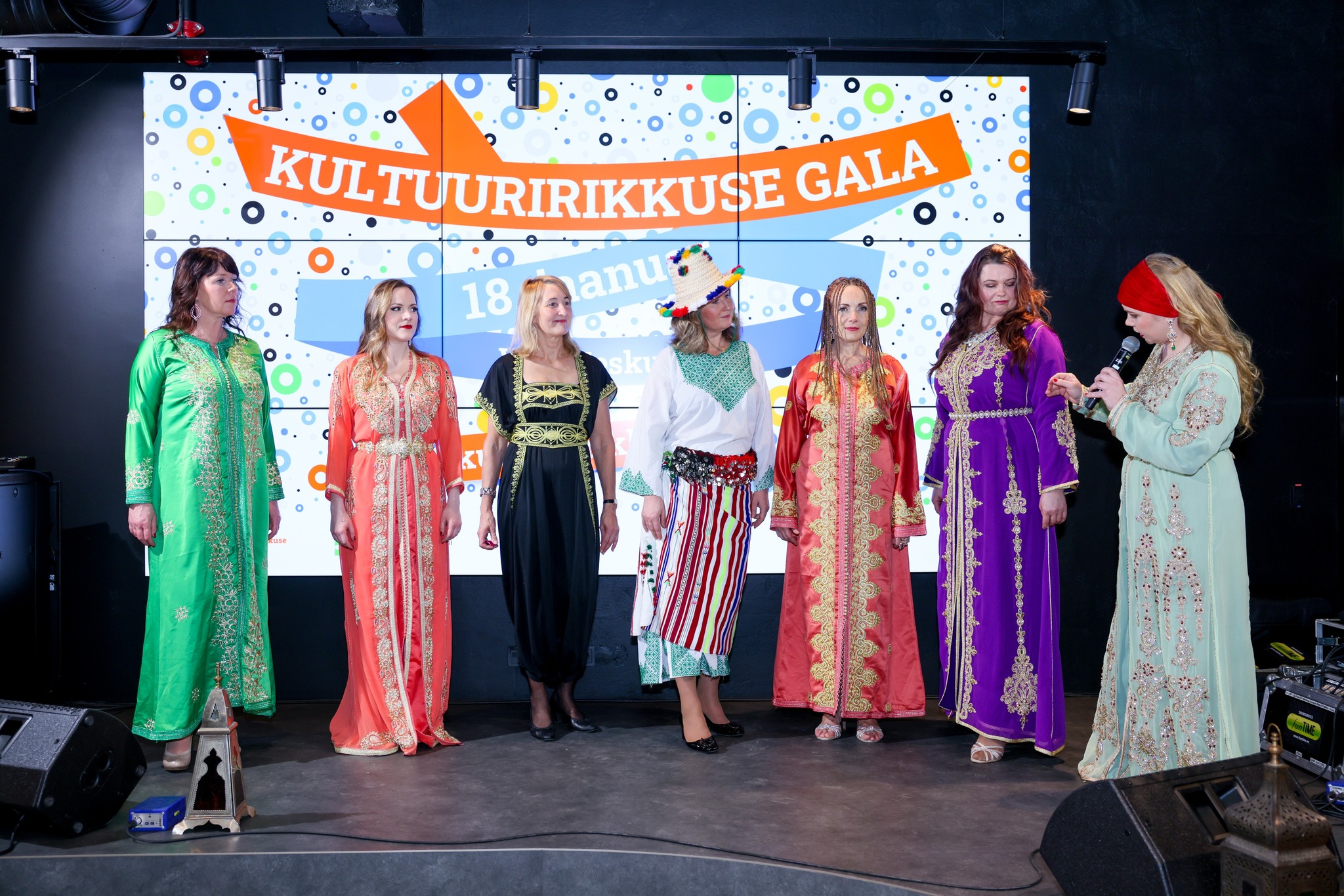 the celebration. I truly felt as if I were in Morocco.
For many attendees, the highlight of this unforgettable Saturday was the Sahraoui kheima and the
Sahraoui tea ceremony. The kheima was delivered straight from Guelmim and assembled according to
tradition. Various authentic items and accessories were also brought in — mats, cushions, goatskins, small
tables, boxes, incense burners, tea utensils, and more. I had never before seen such richness gathered in
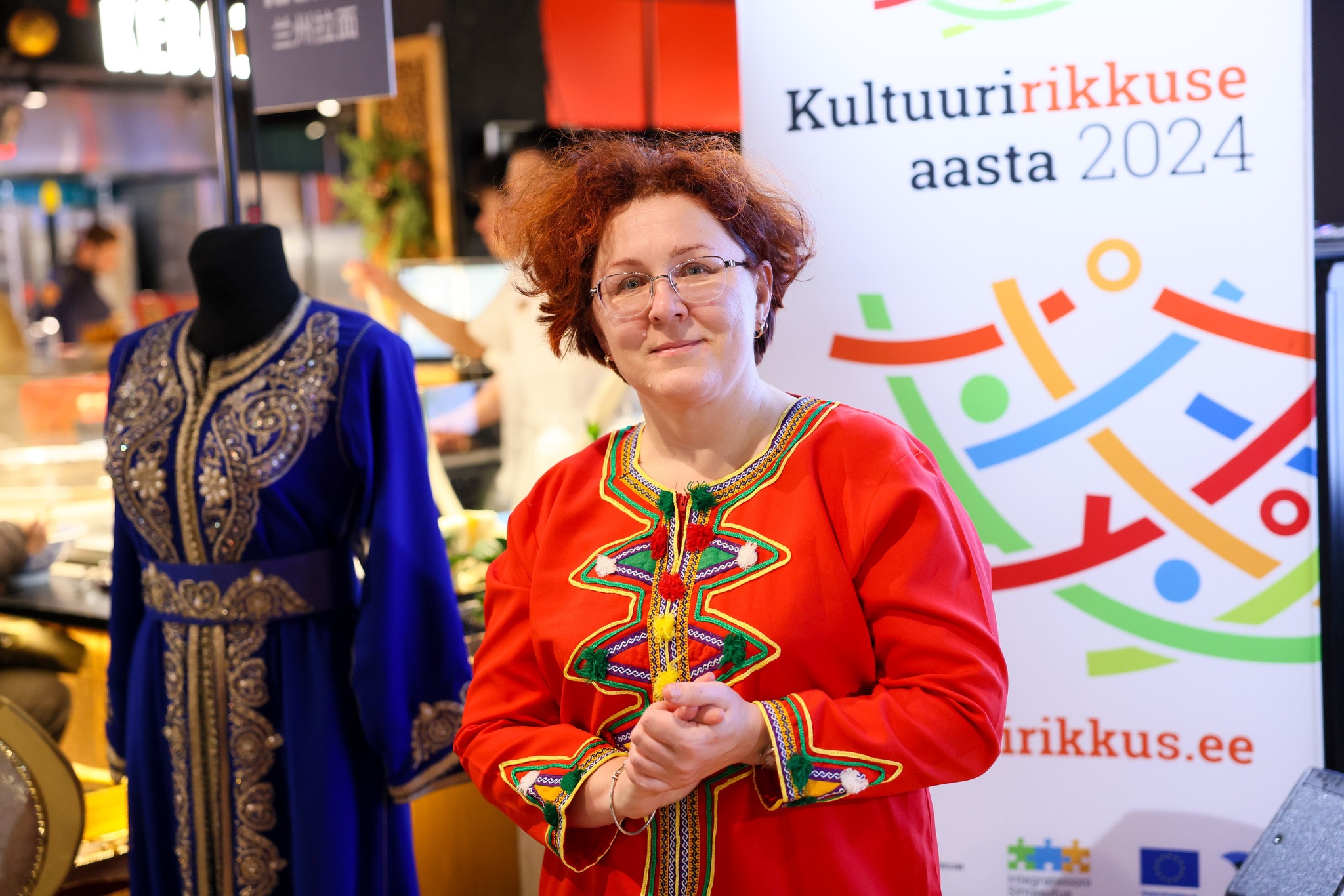 one place.
The Sahraoui tea ceremony gathered a crowd. In the Sahara, tea is not just a drink; it is a symbol of
generosity and a hallmark of true hospitality. The beautiful Sahraoui lady Zahra, chosen as Al-Qayyām,
demonstrated the exquisite details of traditional Sahraoui tea-making. Alongside two Sahraoui men, I
observed and assisted throughout the Atay ceremony, attentively watching for any mistakes the tea-maker
 might make — but, of course, there were none!
Everyone had the chance to hear stories about tea, learn about the principles of its preparation, watch the
brewing process, ask questions, and, finally, taste it. Visitors to our kheima were mesmerized by the
atmosphere and constantly asked for more tea. When Zahra noticed new guests arriving, she would
exclaim, “N’allou Atay?” (“Shall we prepare tea again?”), and she did, over and over again. We enjoyed
Sahraoui tea, music, and dancing.
The most touching experience for me was feeling warmly embraced — as though I truly belonged to the
Sahraoui culture. The Sahraoui themselves even paid me a beautiful compliment, saying that I was “one
hundred percent Sahraoui.” That meant a great deal to me. It showed that I am on the right path; that
years of studying Saharan culture have borne fruit. For me, the Sahraoui culture, with its unique traditions
and values, is a deeply spiritual experience. Moroccan culture as a whole is known for its deep respect for
tradition, while remaining open to other people and cultures. I felt genuinely welcomed, even though I was
born far from Morocco.
When I sat in the kheima with the Sahraoui people, holding a small glass of sweet Saharan tea, dressed in
melhfa and negcha, breathing in the scent of bahour, and having meaningful conversations, a profound
sense of peace descended upon me. It felt as if I had been sitting there for millennia. Time had stopped,
and the world beyond the kheima had dissolved.
The Moroccan Cultural Day in Estonia offered us all a unique opportunity to celebrate Morocco’s rich
diversity, to experience authentic Sahraoui culture, and to share our personal stories. We sincerely hope to
have such a platform for sharing, creativity, identity, and celebration in the future as well.